


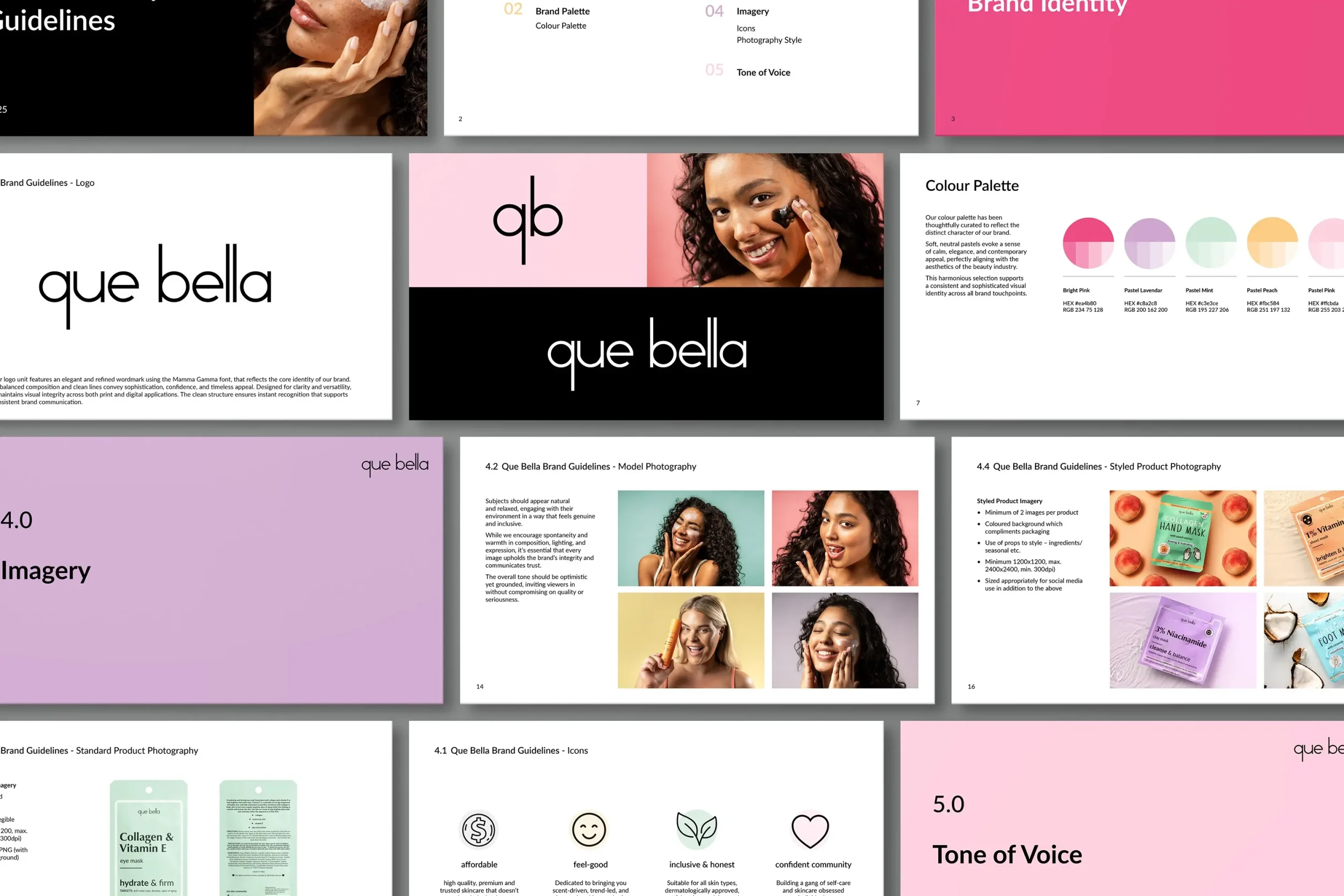
Stephanie Milburn is the Marketing Manager at our client Design Plus, a leading manufacturer of global health and beauty products. She oversees the marketing and design for Que Bella, a skincare brand built around feel-good self-care, offering inclusive, authentic and affordable products that help people feel confident in their own skin.
Que Bella launched in 2014 in partnership with Target in the US, starting with 13 products. Today, it has grown to become Target’s best-selling face mask brand, available nationwide in the retailer’s beauty aisles across the United States. All Que Bella products are dermatologically approved, 100% vegan, and cruelty free.
In this interview, we explore Stephanie’s role in shaping Que Bella’s success, and learn more about her journey as a designer and marketer.
To start, please introduce yourself, your role, and who you work for? And just for fun, what did you imagine you’d be doing when you were a child?
I’m Steph. My official job title is Marketing Manager. I work for Design Plus Health and Beauty. My role predominantly involves looking after marketing for Que Bella, our own brand that we sell exclusively into Target in the States. I’m involved in everything from branding, marketing, design, and product design. I’d say about 80% of my job is on Que Bella. The other 20% is supporting the Design Plus marketing.
When I was younger, I think from about eight, I wanted to be a pop star, like every other 10-year-old. I definitely remember one Halloween dressing up as Britney Spears!
How did you find your way into design and marketing? Were you creative at school?
Yeah, I think I’m definitely a creative person. At school I loved media studies, and the subjects I took were chosen with the mindset of going into fashion journalism. I chose Art, Media Studies, Textiles for Fashion, and English Literature. I loved the creative side of things, writing copy, creating visuals – and I got an A* in Art and Media Studies.
I went on to study Fashion Communication and Promotion at Huddersfield University. While I was there, we’d create magazines and publications, and I always loved working with Photoshop and Illustrator. That graphic design side was definitely my strength.
After graduating, I realised my love for fashion was maybe more about loving to buy clothes than wanting to work in the industry, and it was super competitive. I did a few marketing roles in Manchester, including email marketing for Britannia Hotels and Missy Empire, and then moved back home, which is when I saw the job at Design Plus and applied.
The job was very different at the start to what it is now, there was a lot of account management and commercial work, which just isn’t me. Robin, our Commercial Director, quickly realised that. He went on holiday once and left me to design assets for a Target campaign, and I’d done it all when he came back. That’s when we realised where my strengths were.
Que Bella has been a huge success story. How has it evolved over the years?
Que Bella first launched in the US in 2014, thanks to a moment of pure opportunistic hustle. Robin was at an ECRM event, preparing to pitch the brand to Target, but the wrong buyer turned up, from a completely different category. With minutes to spare, the team managed to secure a last-minute meeting with the correct buyer, who was already on their way to the airport. The pitch ended up happening in the hotel lobby, true elevator-pitch style.
The brand launched at Target with a bath-focused range, and has since evolved into a full facial skincare line. At one point we had 30 face masks in store, but we learned that was too many, too much choice overwhelmed shoppers. We scaled back, and now we sit around 18–20 SKUs, which works. Some of our products have been in store for over 10 years as the number one product in their category. Que Bella is still the number one mask brand in the category today.
Timing really helped. The skincare and mask market is quite saturated now, but we had momentum and recognition. Even though we’re mostly an impulse purchase, there is real familiarity with the brand now.
When you launch new products, where do the ideas come from?
It’s a combination. I work closely with our Senior Brand Manager, and together we identify gaps in the market. We look at the overall landscape in Target, what’s performing, what’s not, and also review our own performance data.
We look at trends, but we’ve learned that pre-peak trends don’t work for us. We know we’re not the trend-setters, and that’s absolutely fine. We come in and offer something premium but affordable.
We’re soon launching a skincare range outside of just the mask space. Our aim is to create a full six or seven-step skincare routine for under $55, which most brands can’t offer. Because we manufacture everything in-house, we can.
What is it like designing products for an American audience while being based in the UK?
Over time, it becomes second nature, but there are things I still have to check, like whether certain flavours or seasonal references are actually relevant in the US. They celebrate seasonal events on a much bigger scale than we do. Fall and Halloween are huge. There’s a lot of research involved!
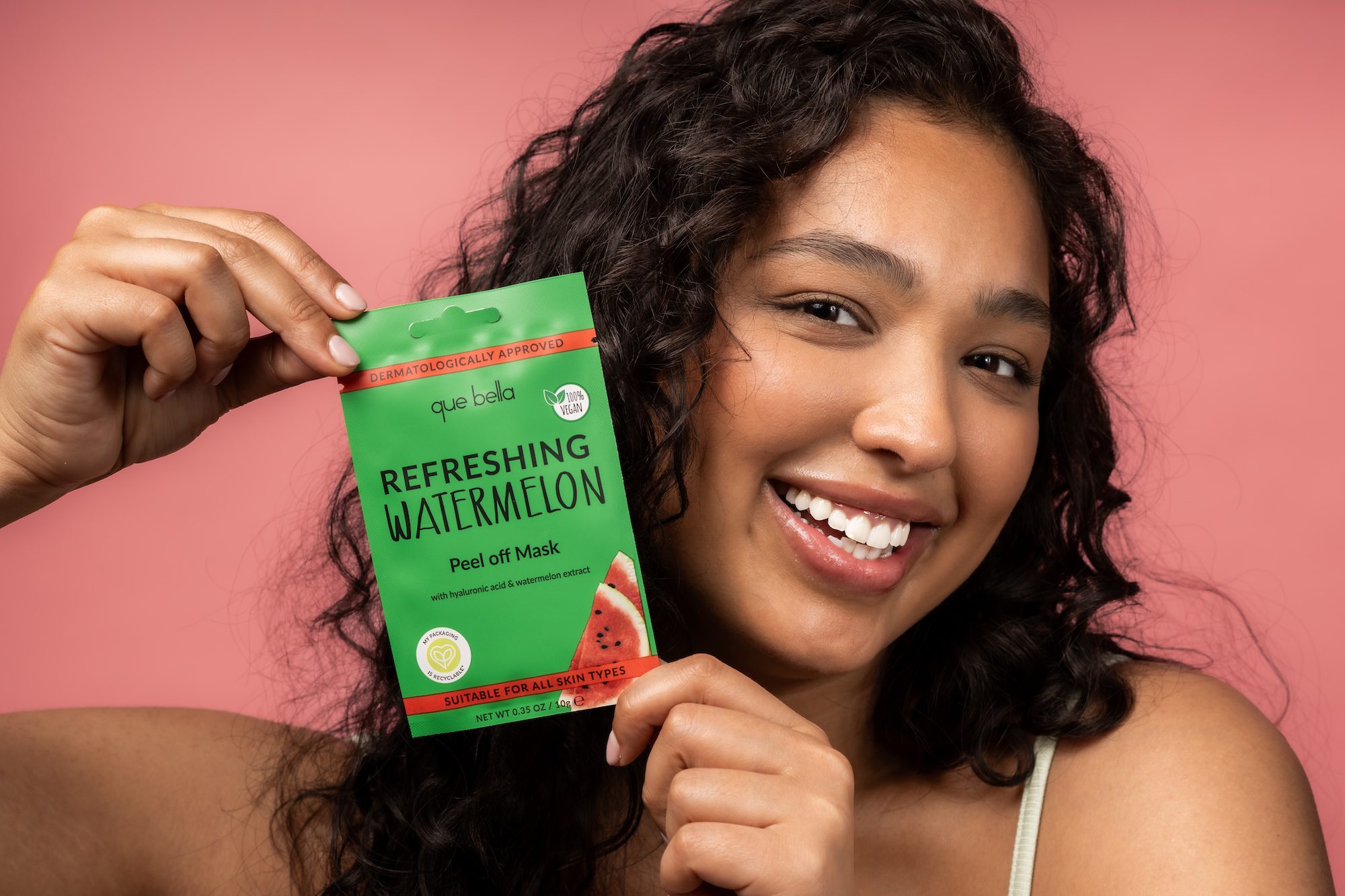
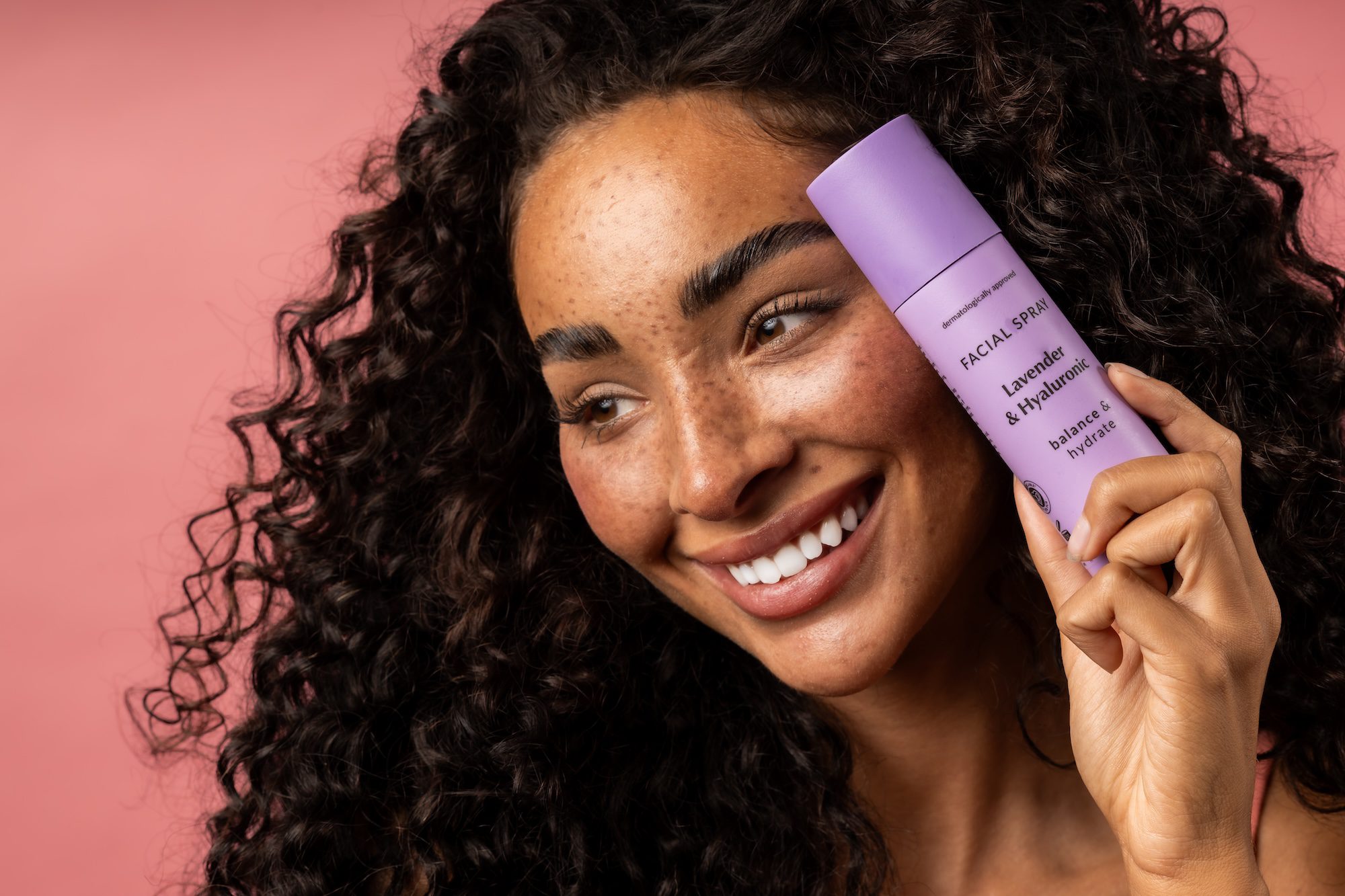
When we think about the moment of purchase, we’re really focused on that first three seconds on-shelf, when someone is literally reacting to the colour and visual cues of the product. We need the packaging to immediately signal what it is and why it matters. That means making sure the colour, ingredient callout, and benefit claim all work together. For example, someone should be able to instantly recognise whether they’re looking for something hydrating like strawberry, or something calming like lavender. The goal is that within three seconds, they understand the product and can decide if it’s right for them.
Which marketing channels are most effective for you in building the brand?
We don’t sell direct-to-consumer, so tracking is hard, but Target has strong retail media tools, so we use those a lot. We also recently invested in a US-based social media agency to help build more of a community, because wearing too many hats in-house means you can’t become an expert in every area. Reactive content, pop culture and trending formats, performs best for us.
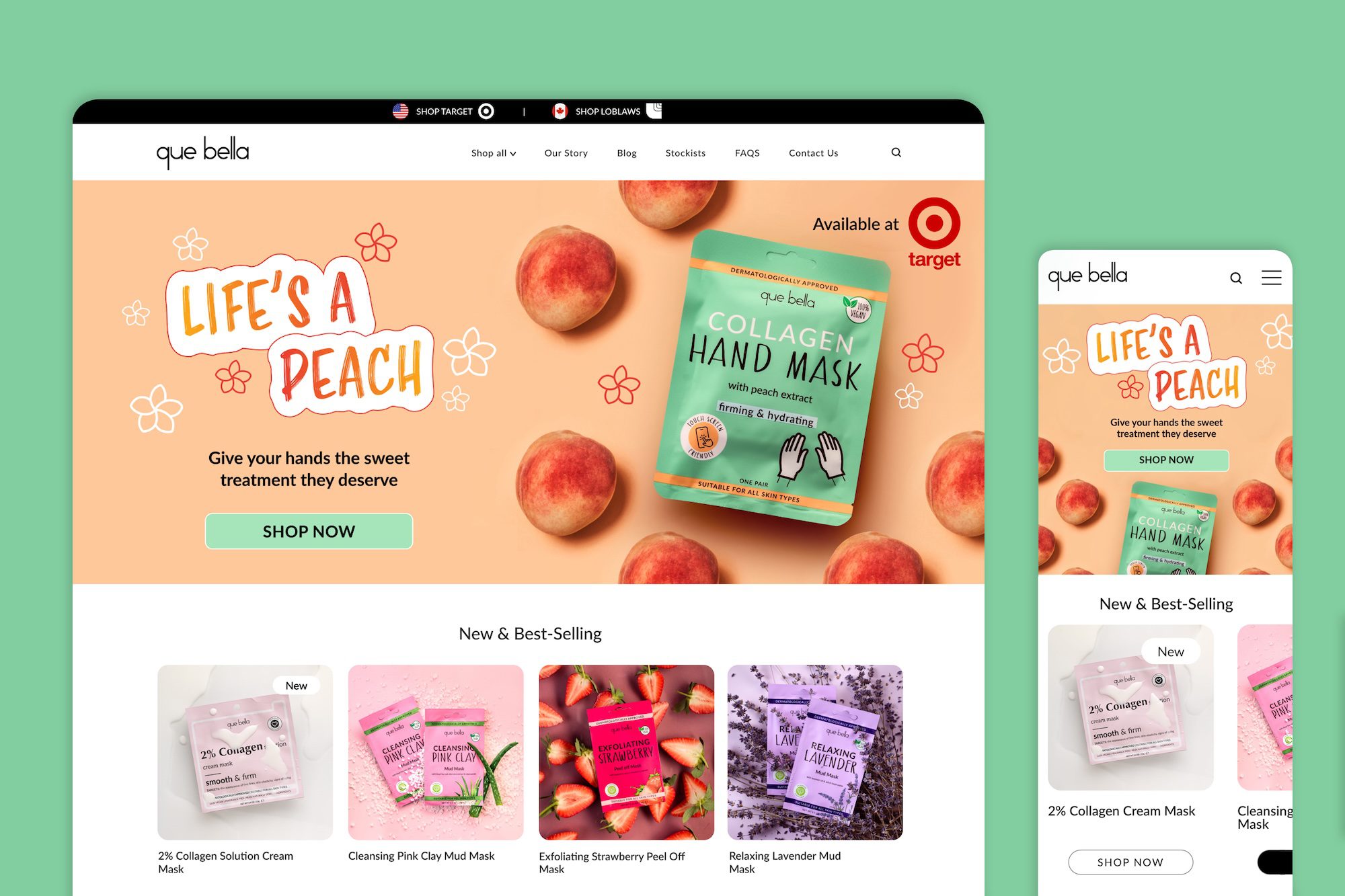
The website is useful because it allows us to analyse traffic and understand shopper behaviour, we can see how people are engaging with the brand and whether they’re clicking through to purchase. The call-to-action buttons are set up so visitors can go directly to shop on Target, or to Loblaw if they’re in Canada. So while the site isn’t where the transaction happens, it plays a key role in guiding shoppers to the right retailer and helping us track and optimise that journey.
What’s been a standout moment in your career so far?
One thing my colleagues always remind me of is when I came in for a Keeping in Touch day during my maternity leave and we needed an advent calendar designing. I did it that day and it went to market.
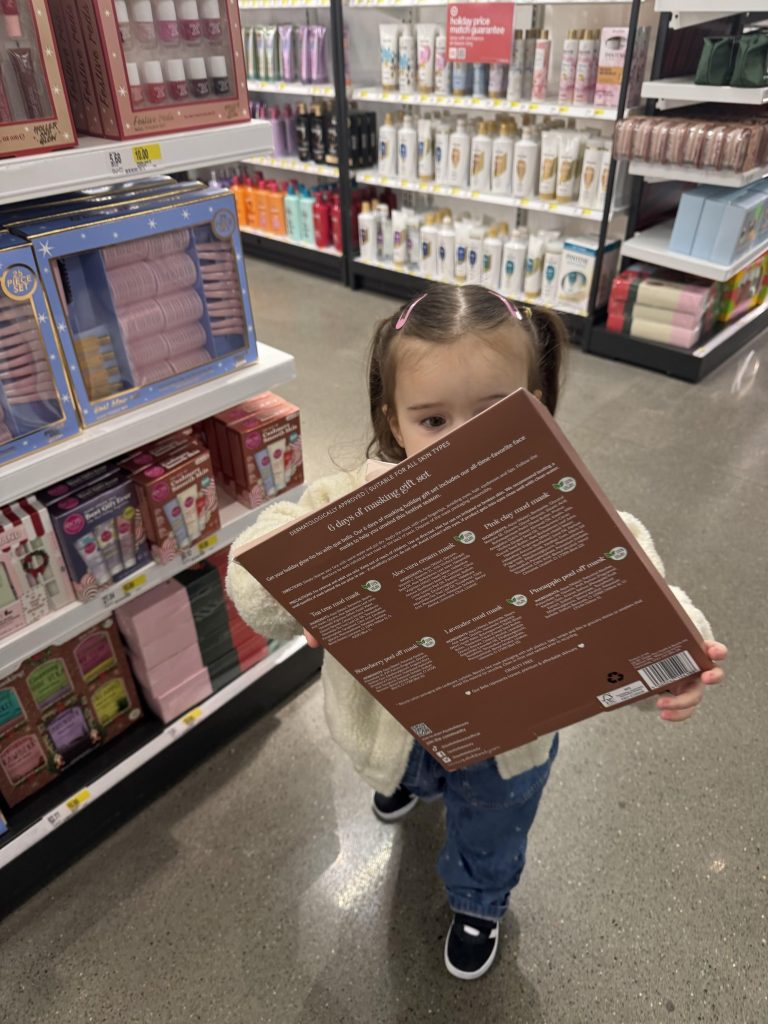
But for me, one of the proudest moments was last year when I went to New York with my husband and daughter, and I got to show them my design on shelf in Target. Seeing my little girl hold it, that was really special.
What advice would you give to someone wanting to work in brand, design, or beauty marketing?
Get experience wherever you can. Paid, unpaid, volunteering, or your own side hustle. I’ve always been a hustler, designing logos, branding, bits for people, and I think that really helps build confidence and skill.
Also, don’t lose your own style and love for creativity. When you’re designing for a brand that isn’t yours, it can feel like you lose a bit of yourself, so it’s important to have creative outlets that remind you why you love it.
Do you have a favourite Que Bella product?
The eye masks. They’re our best selling product for a reason. Most eye masks slide down your face, ours are patches that actually stay put and feel cooling. They’re the only ones I’ve used that don’t move.
Discover more about Que Bella here.
Also check out our recent interviews with Jeanna Vella, Director of Marketing at Cincinnati Shakespeare Company, Jessica Smith, Director of Communications at St John International, Rosie Danford-Phillips, who leads communications and community engagement at Roots and Shoots, and Alison Whittaker-Stewart, Physical Activity Campaigns Lead at Together an Active Future.